tan etc





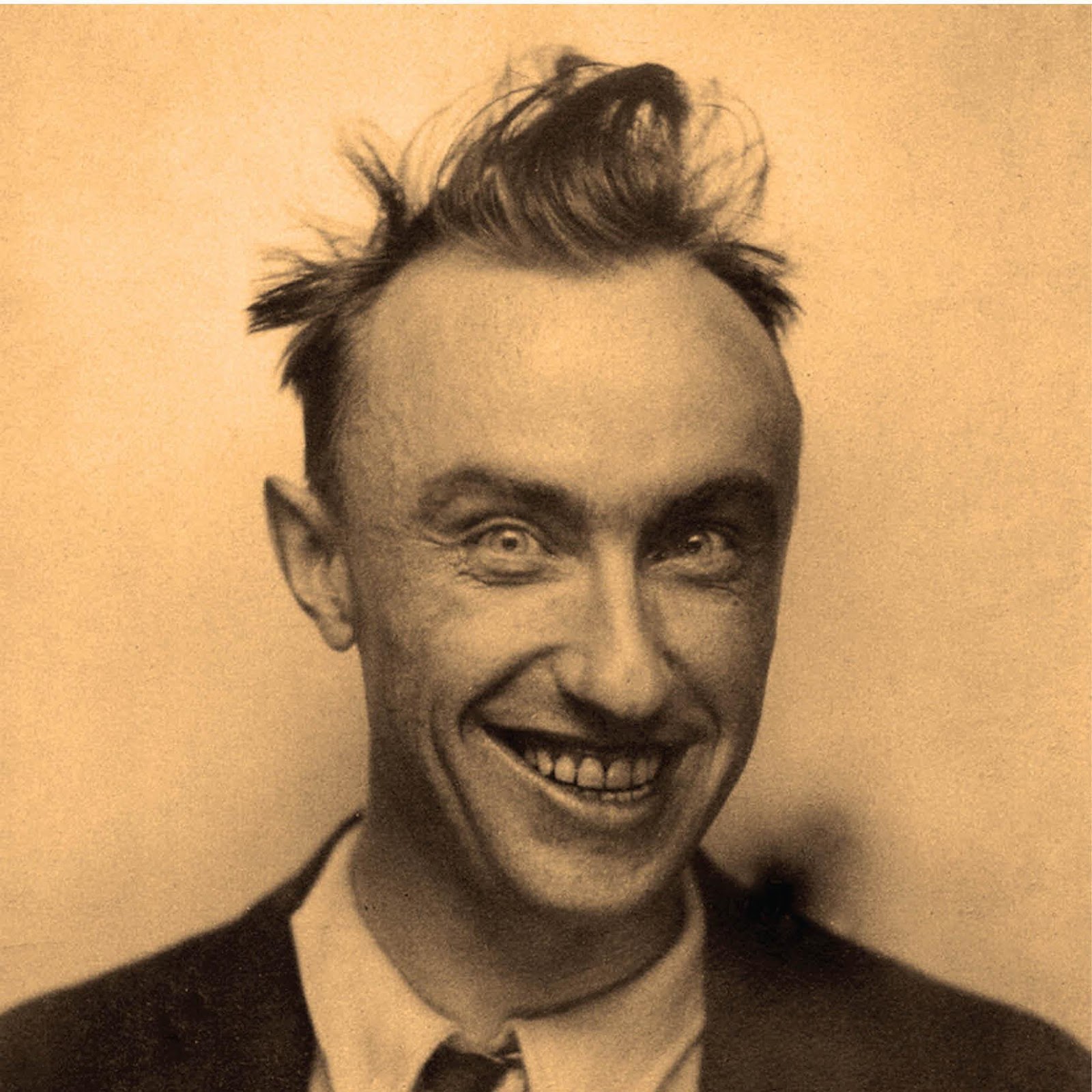
Raymond Georges Yves Tanguy, a French painter, is celebrated for his pivotal role in the Surrealist movement. Born in Paris in 1900, Tanguy's distinctive style is characterized by his meticulous and fantastical landscapes. These dream-like sceneries, populated with abstract shapes and organic forms, evoke a sense of otherworldly mystery and have captivated the imagination of art enthusiasts and collectors alike.
Tanguy's journey into the world of art was somewhat unconventional. Initially drawn to the merchant navy and later to the army, it wasn't until a pivotal encounter with the works of Giorgio de Chirico that Tanguy decided to pursue painting. Despite his lack of formal training, he quickly became a prominent figure in the Surrealist movement, contributing significantly to its ethos and aesthetic. His paintings are renowned for their unique blend of precision and spontaneity, combining elements of the natural world with abstract forms to create enigmatic landscapes that defy conventional interpretation.
Among Tanguy's most notable works are those housed in prestigious institutions such as the Museum of Modern Art in New York and the Tate Modern in London. These pieces serve as a testament to his enduring influence on the world of art and culture. Tanguy's ability to transcend the boundaries of reality and imagination has made his work particularly appealing to collectors and experts in art and antiques, who seek to understand the depths of Surrealism through his visionary eye.
For enthusiasts of Raymond Georges Yves Tanguy's art, staying informed about upcoming sales and auction events is crucial. By signing up for updates, collectors can ensure they never miss an opportunity to acquire a piece of this iconic artist's legacy. This subscription is not only a gateway to exclusive information on new product sales but also a direct line to the heart of the art and antiques world, where the surreal becomes tangible, and the legacy of a master painter continues to inspire.
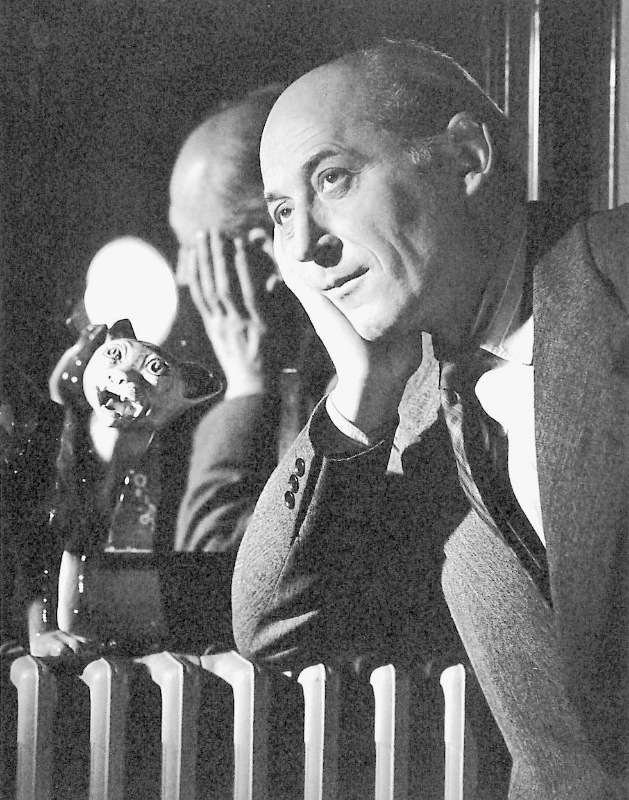
Benjamin Péret was a French poet and writer, celebrated as one of the most prominent figures in the Surrealist movement. His work is renowned for its imaginative depth and revolutionary spirit, embodying the essence of Surrealism's quest to liberate thought, language, and human experience from the constraints of rationality and conventional morality. Péret's poetry and writings are marked by a unique blend of dream-like imagery, sharp wit, and a fervent commitment to political and social change, reflecting his deep involvement with Surrealism and its foundational beliefs in the liberating power of the unconscious mind.
Throughout his career, Benjamin Péret made significant contributions to the development of Surrealist theory and practice, collaborating closely with other key figures in the movement such as André Breton. His work often explored themes of love, freedom, and the subversion of established norms, using language and imagery in innovative ways to challenge the reader's perceptions and provoke a deeper engagement with the irrational and the mysterious aspects of life. Péret's commitment to Surrealism was not only artistic but also political, as he actively engaged in radical political activities, reflecting his belief in the potential of Surrealism to effect social and cultural transformation.
Despite the richness and diversity of his contributions to art and literature, Benjamin Péret remains a somewhat underappreciated figure outside the circles of Surrealism enthusiasts and scholars. However, his work continues to inspire artists, writers, and thinkers who are drawn to its visionary qualities and its challenge to the boundaries between reality and imagination. For collectors and experts in art and antiques, Péret's writings and his role in the Surrealist movement offer a fascinating insight into one of the most innovative and transformative periods in modern culture.
To stay informed about the latest discoveries and opportunities related to Benjamin Péret, including new product sales and auction events, sign up for our updates. This subscription is designed specifically for enthusiasts and collectors eager to deepen their understanding and appreciation of Surrealist art and literature.

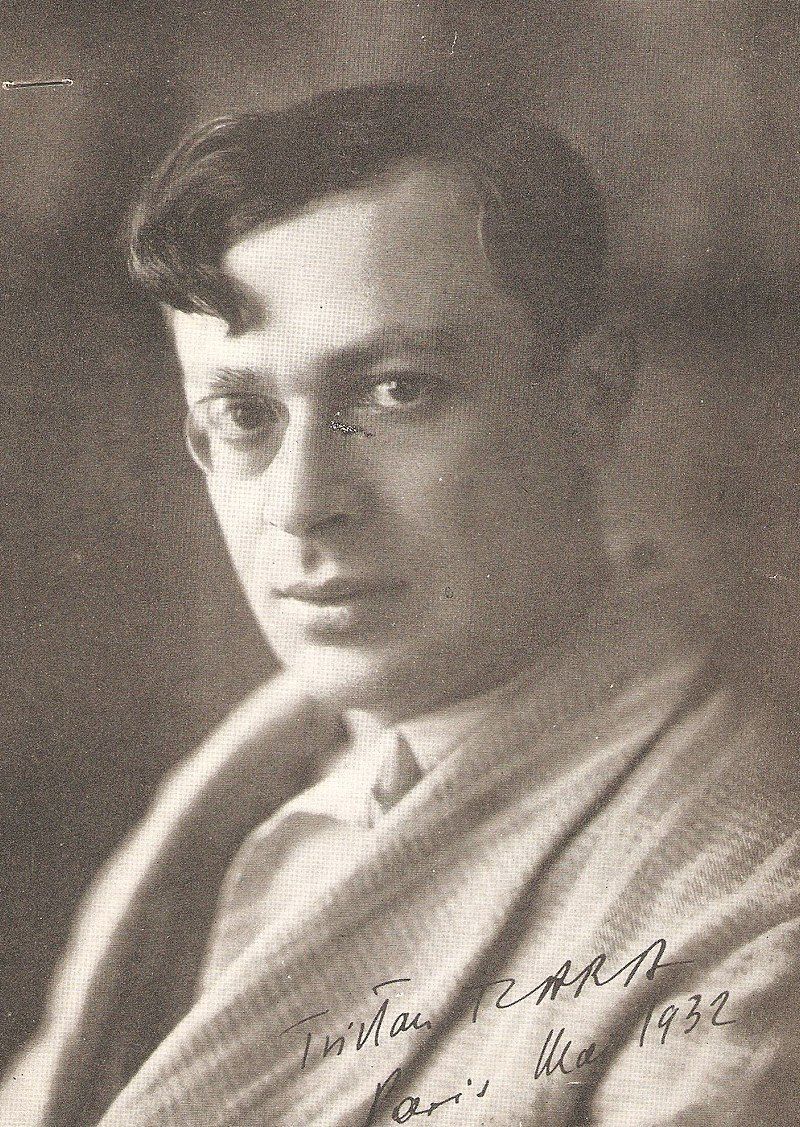
Tristan Tzara, originally named Sami (Samuel) Rosenstock, was a Romanian and French artist and writer best known as a founding figure of the Dada movement. Born in 1896 in Moinești, Romania, Tzara's influence extends across poetry, performance, and manifesto writing, marking him as a pivotal personality in 20th-century art and culture. His work challenged conventional norms and sought to disrupt the traditional boundaries of art, making him a central figure in the avant-garde community.
Dada, the movement with which Tzara is most closely associated, emerged as a reaction against the horrors of World War I, advocating for irrationality and anti-bourgeois protest. Tzara's contributions, including his manifestos, poetry, and performances, were instrumental in shaping Dada's legacy. His art and writings emphasized the importance of spontaneity and chaos, challenging the status quo and the very definition of art itself. Tzara's approach was not confined to a single medium; he explored poetry, playwriting, and critical theory, leaving a diverse and impactful body of work.
Though Tzara is not widely known for sculpture or painting in the traditional sense, his influence on these and other art forms is undeniable. His work and ideas laid the groundwork for later avant-garde movements, including Surrealism. While specific works of Tzara in museums or galleries were not detailed in the research, his legacy is preserved through the collections of major institutions worldwide, reflecting his enduring impact on the arts.
For collectors and experts in art and antiques, understanding Tzara's contributions provides insight into the radical shifts in culture and art in the early 20th century. His work remains a testament to the power of art to challenge, provoke, and transform. To stay informed about new product sales and auction events related to Tristan Tzara, sign up for our updates. This subscription ensures you're alerted to unique opportunities to engage with the history and legacy of a key figure in modern art.
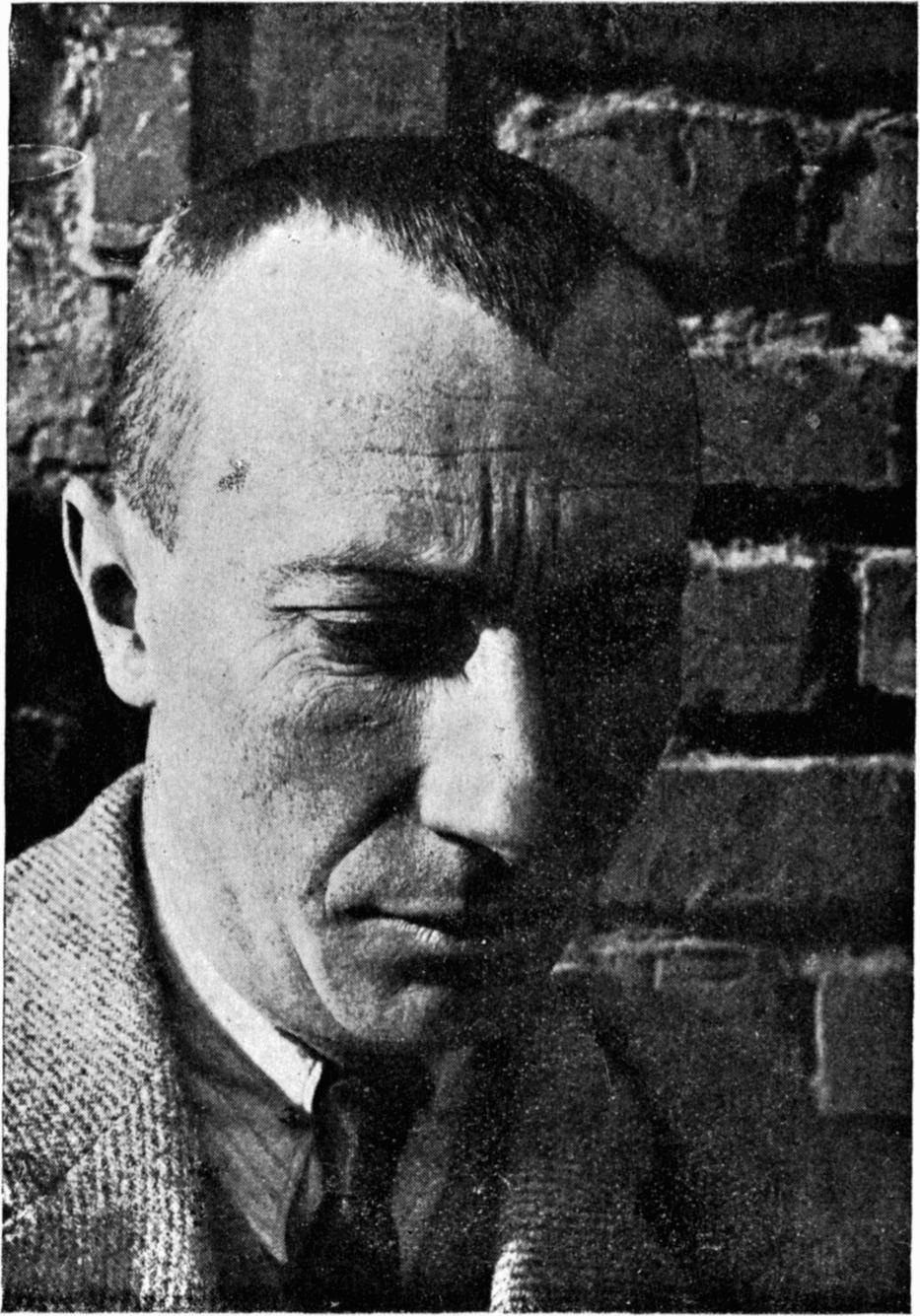
Jean Arp, born Hans Peter Wilhelm Arp, was a German and French poet, painter, graphic artist and sculptor. one of the founders of the Dada movement in Zurich.
Arp used abstract forms in his work and experimented with different materials such as wood, metal and stone. He was also known for his poetic works, in which he applied a method of randomly selecting words, called the "clutter method". Arp believed that this method helped him express his thoughts more precisely and originally. Arp's influence on the arts is still significant today.
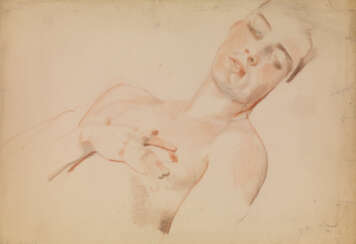

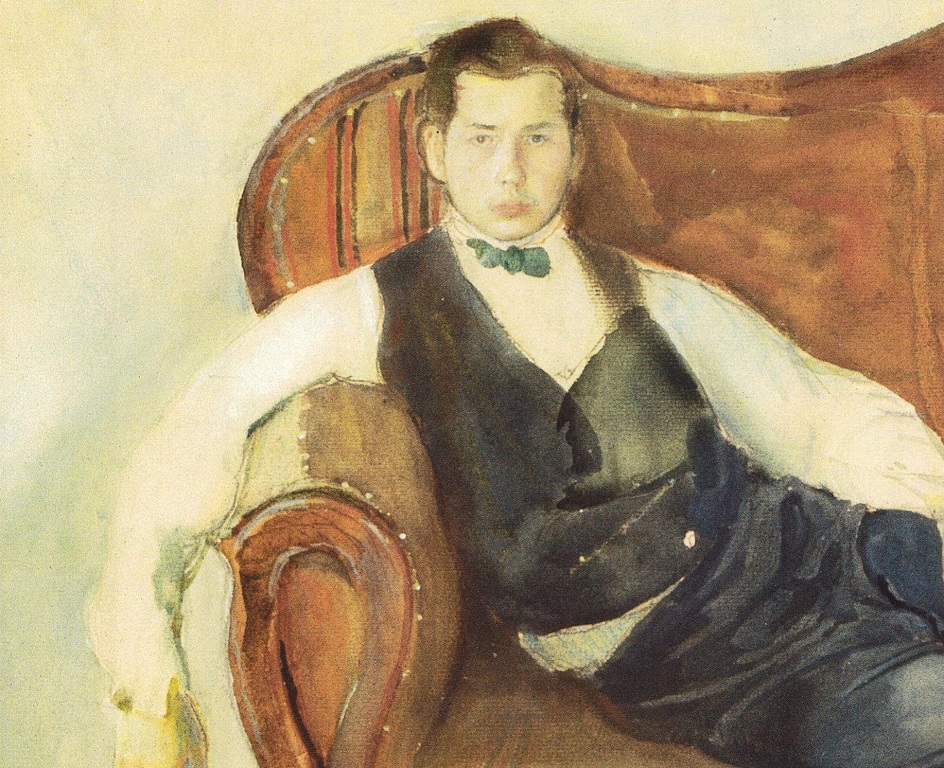
Konstantin Andreyevich Somov (Russian: Константин Андреевич Сомов) was a Russian artist, renowned for his contributions to painting and his association with the Mir iskusstva movement. Born into a family deeply rooted in the arts, Somov developed an early interest in 18th-century art and music, a theme that would prominently feature in his later works.
Somov's artistry was marked by its nod to the Rococo style, combining elements of eroticism and romanticism, often set against a backdrop of sensuality. His works often explored themes of irony, eroticism, and a puppet-like theatricality of the world. Somov's artistic approach was heavily influenced by various artists and styles, including the Pre-Raphaelites, Aubrey Beardsley, James Whistler, and French Rococo artists such as Watteau, Largilliere, Fragonard, and Boucher.
Throughout his career, Somov achieved significant acclaim, particularly in the early 20th century. His works were known for their delicate and refined qualities, capturing the essence of an era known for its sophistication and depth. Some of his notable works include "Rainbow" (1897), "Dame ôtant son masque" (1906), and "Pierrot and Lady" (1910), each demonstrating his unique style and thematic focus.
The Russian Revolution brought a significant shift in Somov's life and career. He initially emigrated to the United States, finding the atmosphere there alien to his art, and eventually settled in Paris. His later works, especially the male nude paintings, continued to reflect his distinctive style and thematic preoccupations.
Somov's legacy in the art world is enduring, not only for his artistic achievements but also for the record-setting auction prices his works have commanded, such as "The Rainbow" (1927) selling for over $7 million at Christie's.
For collectors and experts in art and antiques, Somov's works represent a unique blend of romantic and erotic themes, portrayed through a lens of exquisite artistic skill. His contributions to the Mir iskusstva movement and his influence on the art of the early 20th century continue to be celebrated and studied.
For those interested in keeping up-to-date with events and sales related to Konstantin Andreyevich Somov's work, signing up for updates is a straightforward way to stay informed. By subscribing, you'll receive notifications about new product sales and auction events, ensuring you don't miss any opportunities related to this distinguished artist's works.
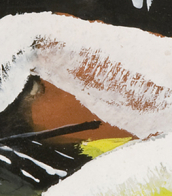
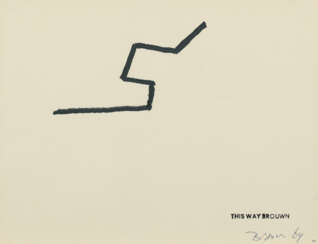

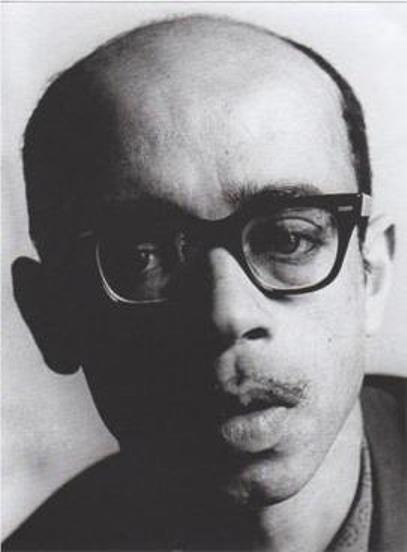



Raymond Georges Yves Tanguy, a French painter, is celebrated for his pivotal role in the Surrealist movement. Born in Paris in 1900, Tanguy's distinctive style is characterized by his meticulous and fantastical landscapes. These dream-like sceneries, populated with abstract shapes and organic forms, evoke a sense of otherworldly mystery and have captivated the imagination of art enthusiasts and collectors alike.
Tanguy's journey into the world of art was somewhat unconventional. Initially drawn to the merchant navy and later to the army, it wasn't until a pivotal encounter with the works of Giorgio de Chirico that Tanguy decided to pursue painting. Despite his lack of formal training, he quickly became a prominent figure in the Surrealist movement, contributing significantly to its ethos and aesthetic. His paintings are renowned for their unique blend of precision and spontaneity, combining elements of the natural world with abstract forms to create enigmatic landscapes that defy conventional interpretation.
Among Tanguy's most notable works are those housed in prestigious institutions such as the Museum of Modern Art in New York and the Tate Modern in London. These pieces serve as a testament to his enduring influence on the world of art and culture. Tanguy's ability to transcend the boundaries of reality and imagination has made his work particularly appealing to collectors and experts in art and antiques, who seek to understand the depths of Surrealism through his visionary eye.
For enthusiasts of Raymond Georges Yves Tanguy's art, staying informed about upcoming sales and auction events is crucial. By signing up for updates, collectors can ensure they never miss an opportunity to acquire a piece of this iconic artist's legacy. This subscription is not only a gateway to exclusive information on new product sales but also a direct line to the heart of the art and antiques world, where the surreal becomes tangible, and the legacy of a master painter continues to inspire.
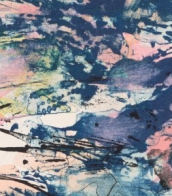

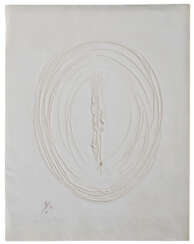

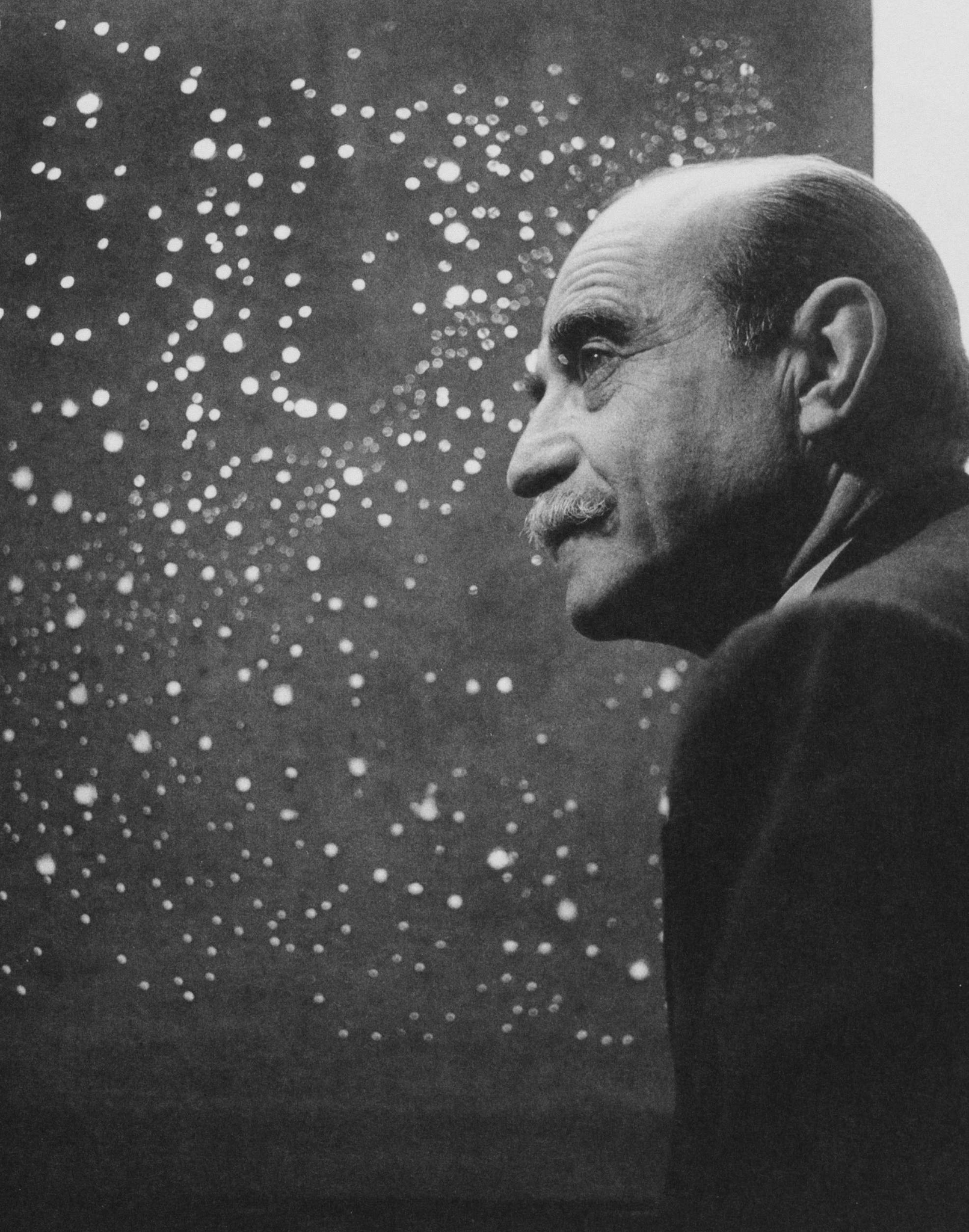
Lucio Fontana was an Argentine-Italian artist known for his pioneering work in the field of Spatialism, an artistic movement that explored the relationship between space and art.
Fontana studied sculpture at the Academy of Fine Arts in Milan, Italy. In the 1940s, he began experimenting with a technique he called "Spatial Concept," in which he punctured or cut holes into the canvas to create a sense of depth and dimensionality.
Throughout the 1950s and 1960s, Fontana continued to explore the possibilities of Spatialism, creating works in a variety of media, including sculpture, ceramics, and painting. One of his most famous series of works is the "Tagli" (Cuts), which consist of monochromatic canvases with one or more slashes or punctures.
Fontana's work had a significant influence on the development of the Arte Povera movement in Italy, as well as on the development of Minimalism and Conceptual Art. He exhibited his work widely in Europe and the United States, and his legacy continues to be celebrated by artists and critics today.
Fontana's innovative approach to art and his exploration of the relationship between space and form continue to be a source of inspiration for artists working in a wide range of media.
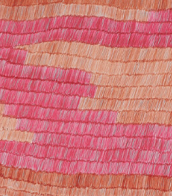
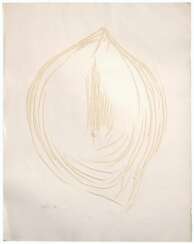

Lucio Fontana was an Argentine-Italian artist known for his pioneering work in the field of Spatialism, an artistic movement that explored the relationship between space and art.
Fontana studied sculpture at the Academy of Fine Arts in Milan, Italy. In the 1940s, he began experimenting with a technique he called "Spatial Concept," in which he punctured or cut holes into the canvas to create a sense of depth and dimensionality.
Throughout the 1950s and 1960s, Fontana continued to explore the possibilities of Spatialism, creating works in a variety of media, including sculpture, ceramics, and painting. One of his most famous series of works is the "Tagli" (Cuts), which consist of monochromatic canvases with one or more slashes or punctures.
Fontana's work had a significant influence on the development of the Arte Povera movement in Italy, as well as on the development of Minimalism and Conceptual Art. He exhibited his work widely in Europe and the United States, and his legacy continues to be celebrated by artists and critics today.
Fontana's innovative approach to art and his exploration of the relationship between space and form continue to be a source of inspiration for artists working in a wide range of media.
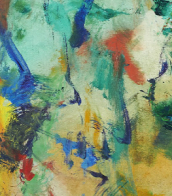


Lucio Fontana was an Argentine-Italian artist known for his pioneering work in the field of Spatialism, an artistic movement that explored the relationship between space and art.
Fontana studied sculpture at the Academy of Fine Arts in Milan, Italy. In the 1940s, he began experimenting with a technique he called "Spatial Concept," in which he punctured or cut holes into the canvas to create a sense of depth and dimensionality.
Throughout the 1950s and 1960s, Fontana continued to explore the possibilities of Spatialism, creating works in a variety of media, including sculpture, ceramics, and painting. One of his most famous series of works is the "Tagli" (Cuts), which consist of monochromatic canvases with one or more slashes or punctures.
Fontana's work had a significant influence on the development of the Arte Povera movement in Italy, as well as on the development of Minimalism and Conceptual Art. He exhibited his work widely in Europe and the United States, and his legacy continues to be celebrated by artists and critics today.
Fontana's innovative approach to art and his exploration of the relationship between space and form continue to be a source of inspiration for artists working in a wide range of media.
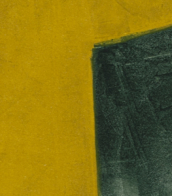

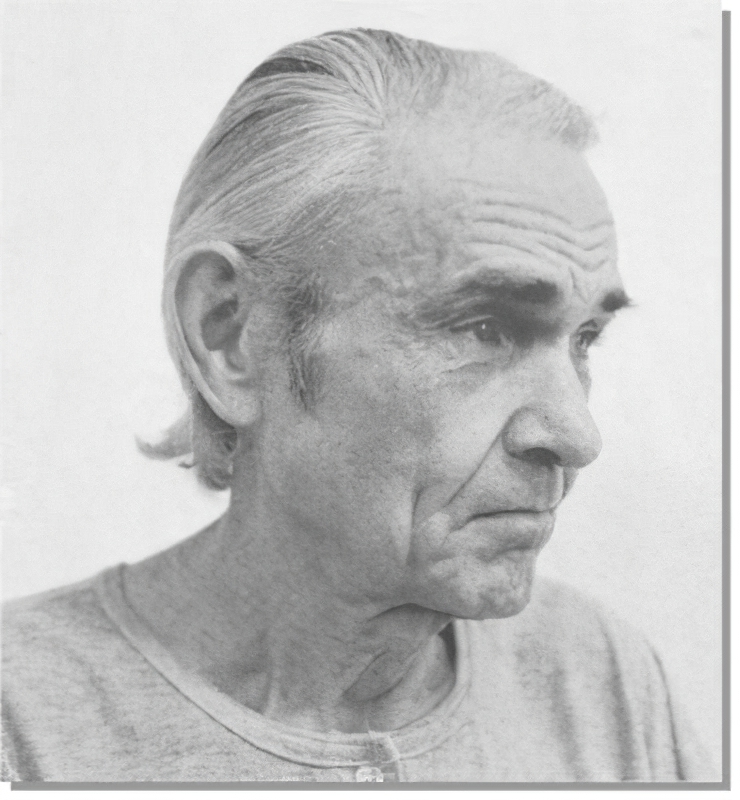
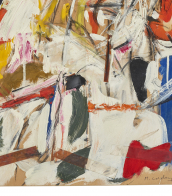
Stanley Boxer was an American artist best known for thickly painted abstract works of art. He was also an accomplished sculptor and printmaker. He received awards from the Guggenheim Fellowship and the National Endowment for the Arts.
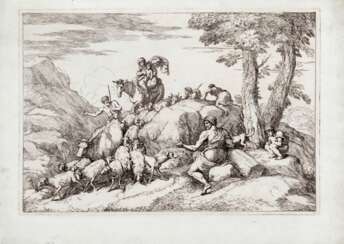

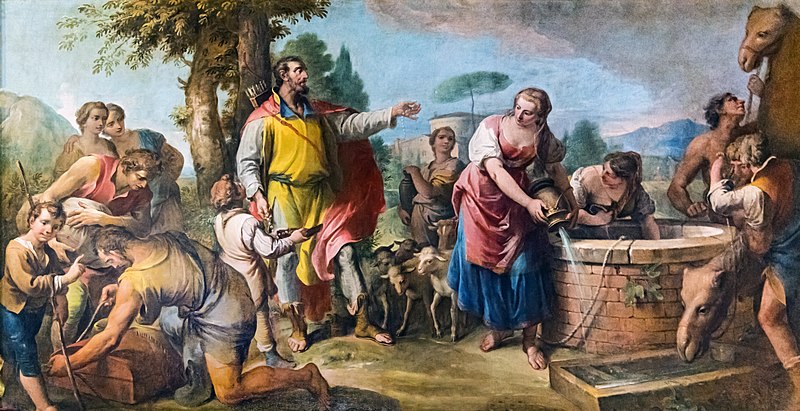
Gaetano Zompini, full name Gaetano Gherardo Zompini, was an Italian painter and printmaker.
Zompini is known for his many prints depicting everyday scenes of Italian life, particularly of workers in the lower classes of Venice. He also created scenes with religious themes and executed frescoes in the Palazzo Marin in Venice.


Gaetano Zompini, full name Gaetano Gherardo Zompini, was an Italian painter and printmaker.
Zompini is known for his many prints depicting everyday scenes of Italian life, particularly of workers in the lower classes of Venice. He also created scenes with religious themes and executed frescoes in the Palazzo Marin in Venice.


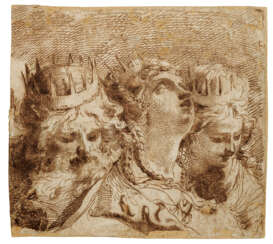



Lucio Fontana was an Argentine-Italian artist known for his pioneering work in the field of Spatialism, an artistic movement that explored the relationship between space and art.
Fontana studied sculpture at the Academy of Fine Arts in Milan, Italy. In the 1940s, he began experimenting with a technique he called "Spatial Concept," in which he punctured or cut holes into the canvas to create a sense of depth and dimensionality.
Throughout the 1950s and 1960s, Fontana continued to explore the possibilities of Spatialism, creating works in a variety of media, including sculpture, ceramics, and painting. One of his most famous series of works is the "Tagli" (Cuts), which consist of monochromatic canvases with one or more slashes or punctures.
Fontana's work had a significant influence on the development of the Arte Povera movement in Italy, as well as on the development of Minimalism and Conceptual Art. He exhibited his work widely in Europe and the United States, and his legacy continues to be celebrated by artists and critics today.
Fontana's innovative approach to art and his exploration of the relationship between space and form continue to be a source of inspiration for artists working in a wide range of media.


Lucio Fontana was an Argentine-Italian artist known for his pioneering work in the field of Spatialism, an artistic movement that explored the relationship between space and art.
Fontana studied sculpture at the Academy of Fine Arts in Milan, Italy. In the 1940s, he began experimenting with a technique he called "Spatial Concept," in which he punctured or cut holes into the canvas to create a sense of depth and dimensionality.
Throughout the 1950s and 1960s, Fontana continued to explore the possibilities of Spatialism, creating works in a variety of media, including sculpture, ceramics, and painting. One of his most famous series of works is the "Tagli" (Cuts), which consist of monochromatic canvases with one or more slashes or punctures.
Fontana's work had a significant influence on the development of the Arte Povera movement in Italy, as well as on the development of Minimalism and Conceptual Art. He exhibited his work widely in Europe and the United States, and his legacy continues to be celebrated by artists and critics today.
Fontana's innovative approach to art and his exploration of the relationship between space and form continue to be a source of inspiration for artists working in a wide range of media.


Lucio Fontana was an Argentine-Italian artist known for his pioneering work in the field of Spatialism, an artistic movement that explored the relationship between space and art.
Fontana studied sculpture at the Academy of Fine Arts in Milan, Italy. In the 1940s, he began experimenting with a technique he called "Spatial Concept," in which he punctured or cut holes into the canvas to create a sense of depth and dimensionality.
Throughout the 1950s and 1960s, Fontana continued to explore the possibilities of Spatialism, creating works in a variety of media, including sculpture, ceramics, and painting. One of his most famous series of works is the "Tagli" (Cuts), which consist of monochromatic canvases with one or more slashes or punctures.
Fontana's work had a significant influence on the development of the Arte Povera movement in Italy, as well as on the development of Minimalism and Conceptual Art. He exhibited his work widely in Europe and the United States, and his legacy continues to be celebrated by artists and critics today.
Fontana's innovative approach to art and his exploration of the relationship between space and form continue to be a source of inspiration for artists working in a wide range of media.


Lucio Fontana was an Argentine-Italian artist known for his pioneering work in the field of Spatialism, an artistic movement that explored the relationship between space and art.
Fontana studied sculpture at the Academy of Fine Arts in Milan, Italy. In the 1940s, he began experimenting with a technique he called "Spatial Concept," in which he punctured or cut holes into the canvas to create a sense of depth and dimensionality.
Throughout the 1950s and 1960s, Fontana continued to explore the possibilities of Spatialism, creating works in a variety of media, including sculpture, ceramics, and painting. One of his most famous series of works is the "Tagli" (Cuts), which consist of monochromatic canvases with one or more slashes or punctures.
Fontana's work had a significant influence on the development of the Arte Povera movement in Italy, as well as on the development of Minimalism and Conceptual Art. He exhibited his work widely in Europe and the United States, and his legacy continues to be celebrated by artists and critics today.
Fontana's innovative approach to art and his exploration of the relationship between space and form continue to be a source of inspiration for artists working in a wide range of media.
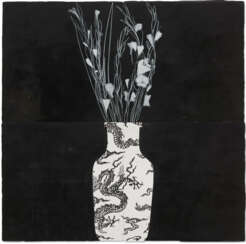

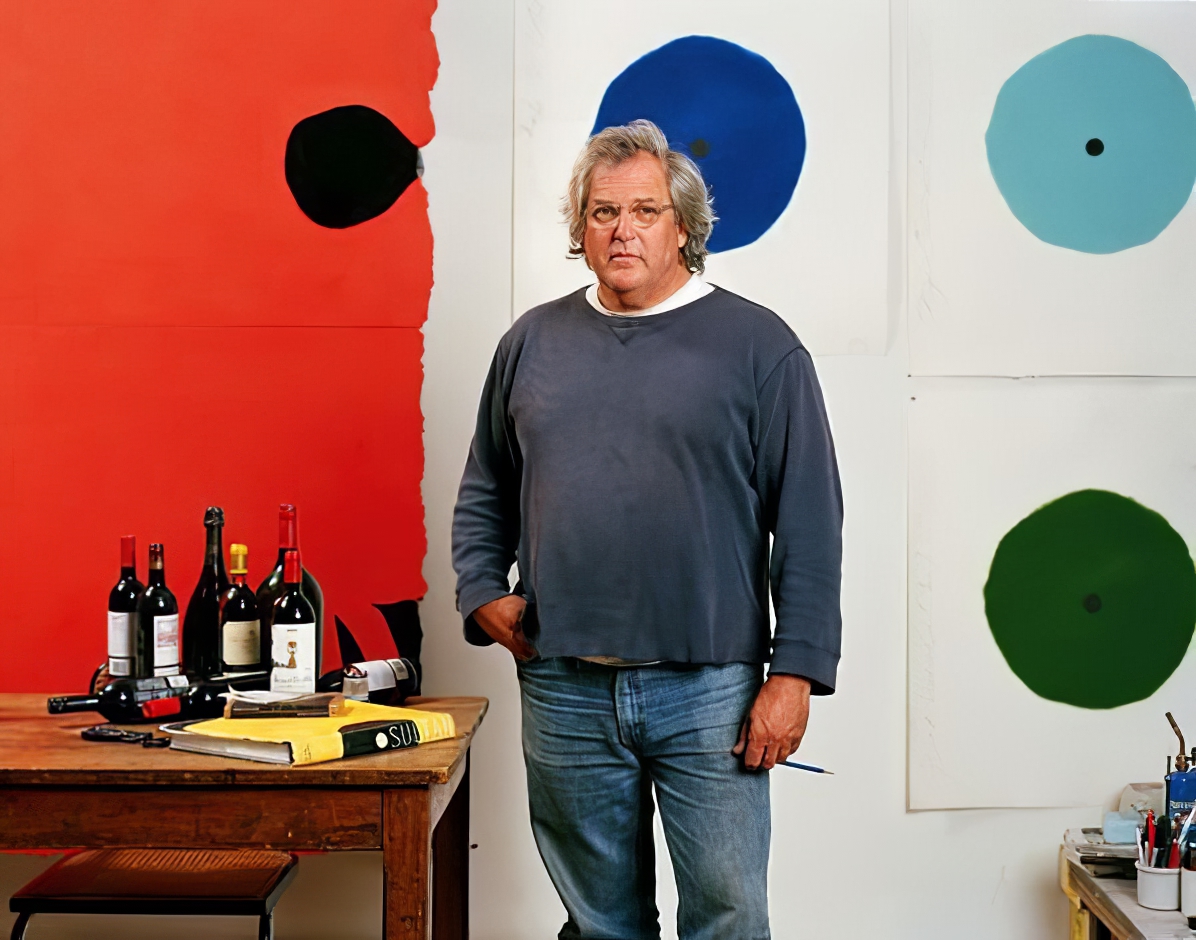
Donald K. Sultan is an American painter, sculptor, and printmaker, particularly well-known for large-scale still life paintings and the use of industrial materials such as tar, enamel, spackle and vinyl tiles. He has been exhibiting internationally in prominent museums and galleries, and his works are included in important museum collections all over the globe. Sultan is the recipient of numerous honors and awards for his artistic achievements.
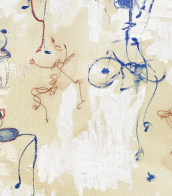
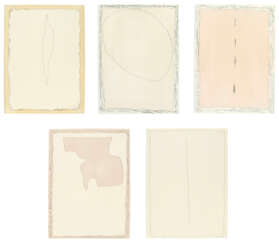

Lucio Fontana was an Argentine-Italian artist known for his pioneering work in the field of Spatialism, an artistic movement that explored the relationship between space and art.
Fontana studied sculpture at the Academy of Fine Arts in Milan, Italy. In the 1940s, he began experimenting with a technique he called "Spatial Concept," in which he punctured or cut holes into the canvas to create a sense of depth and dimensionality.
Throughout the 1950s and 1960s, Fontana continued to explore the possibilities of Spatialism, creating works in a variety of media, including sculpture, ceramics, and painting. One of his most famous series of works is the "Tagli" (Cuts), which consist of monochromatic canvases with one or more slashes or punctures.
Fontana's work had a significant influence on the development of the Arte Povera movement in Italy, as well as on the development of Minimalism and Conceptual Art. He exhibited his work widely in Europe and the United States, and his legacy continues to be celebrated by artists and critics today.
Fontana's innovative approach to art and his exploration of the relationship between space and form continue to be a source of inspiration for artists working in a wide range of media.


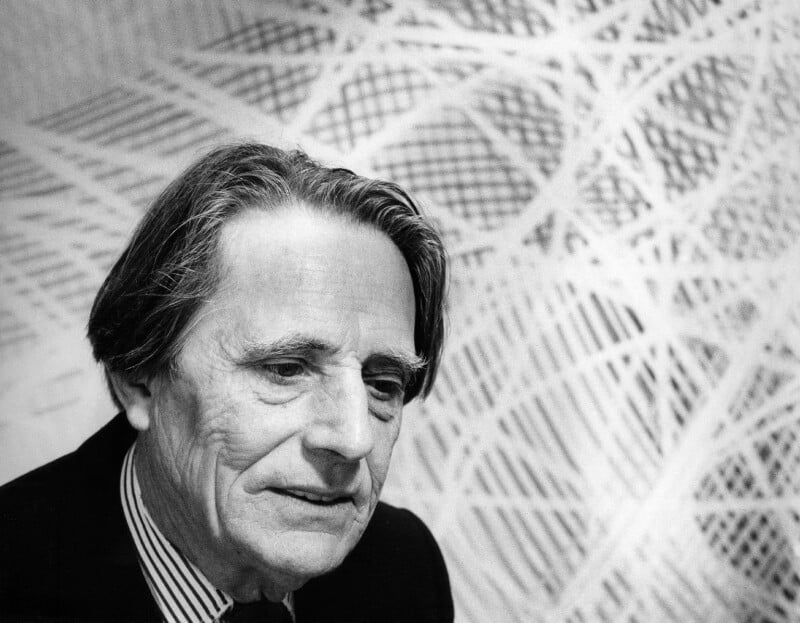
Stanley William Hayter was a British painter, graphic artist and art theorist.
Hayter graduated from King's College, London, having studied chemistry and geology, and began working in the laboratory of Samuel Smiles on organic sulfur compounds. After receiving a contract from the Anglo-Iranian Oil Company, he worked in Iran, and in his spare time he painted portraits of friends, landscapes, views of oil developments, ships... In 1926 he enrolled at the Académie Julian, and in addition to painting, he took up etching. In 1927 Hayter founded the legendary Atelier 17 studio in Paris, which was visited by all the famous contemporary artists.
In 1940 Hayter and his sculptor wife moved to the United States, where he moved his studio. Hayter's painting during these years shifted from Surrealism to a style increasingly dominated by automatism and linear structure. Pensive, black lines dominate many of the works, and mythological themes play an increasing role. Hayter played a leading role in the formation of the art that came to be known as Abstract Expressionism.
In 1950, the artist returned to Paris, where at his Atelier 17 he taught painting and drawing, developed new gravure color printing techniques, and published books on the theory of graphics and printmaking.


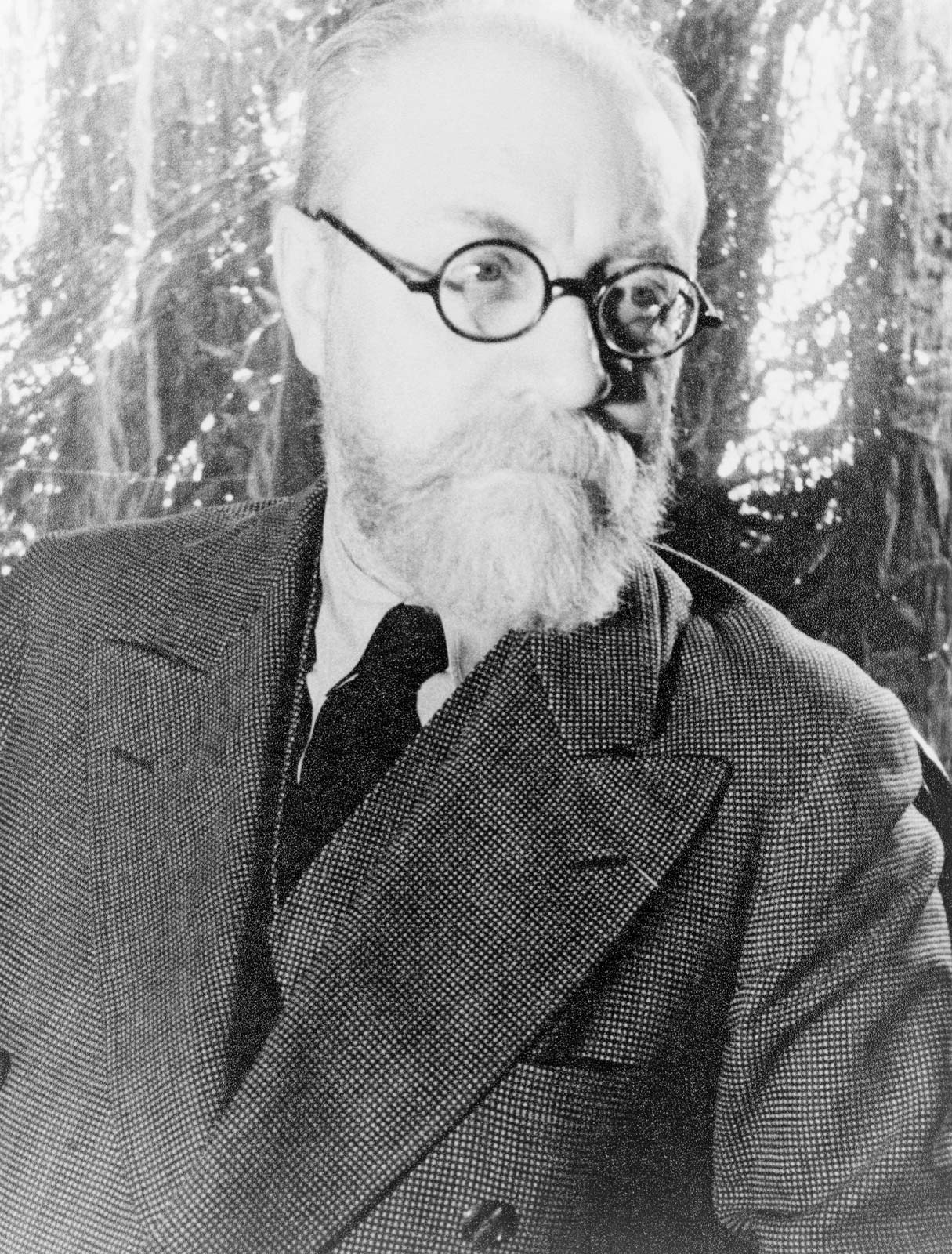
Henri Matisse, a renowned French visual artist, was celebrated for his vibrant use of color and fluid, original draughtsmanship. Born on December 31, 1869, in Le Cateau-Cambrésis, France, Matisse initially pursued a career in law before turning to art. He first began painting in 1889, a change inspired by convalescence art supplies his mother provided. This marked the beginning of a journey that would see him become a leading figure in modern art.
Matisse's career is notable for its stylistic evolution yet consistent aim to capture the "essential character of things." His early works, characterized by intense colorism, earned him recognition as one of the Fauves, or "wild beasts." The period from 1908 to 1913 was marked by significant developments, with works like "Reclining Odalisque" and "The Red Studio" showcasing his mastery in balance and serenity. In the 1920s, his style evolved to more relaxed forms, with a focus on light, color, and decorative patterns in paintings like his odalisque series.
Matisse's exploration of various mediums, including sculpture and paper collage, reflects his innovative spirit. His later years were dominated by cut paper collages, as health challenges limited his ability to paint. These works, alongside his bold drawings and sculptures, cemented his status as a pioneer in visual art.
For collectors and art experts, Matisse's work remains a testament to creative evolution and expressive use of color and form. His masterpieces can be found in prominent museums and galleries worldwide, continuing to inspire and fascinate art enthusiasts.
To stay updated on new product sales and auction events related to Henri Matisse's art, sign up for our updates. This subscription will keep you informed about opportunities to appreciate and acquire works connected to this iconic artist.
Tristan Tzara, originally named Sami (Samuel) Rosenstock, was a Romanian and French artist and writer best known as a founding figure of the Dada movement. Born in 1896 in Moinești, Romania, Tzara's influence extends across poetry, performance, and manifesto writing, marking him as a pivotal personality in 20th-century art and culture. His work challenged conventional norms and sought to disrupt the traditional boundaries of art, making him a central figure in the avant-garde community.
Dada, the movement with which Tzara is most closely associated, emerged as a reaction against the horrors of World War I, advocating for irrationality and anti-bourgeois protest. Tzara's contributions, including his manifestos, poetry, and performances, were instrumental in shaping Dada's legacy. His art and writings emphasized the importance of spontaneity and chaos, challenging the status quo and the very definition of art itself. Tzara's approach was not confined to a single medium; he explored poetry, playwriting, and critical theory, leaving a diverse and impactful body of work.
Though Tzara is not widely known for sculpture or painting in the traditional sense, his influence on these and other art forms is undeniable. His work and ideas laid the groundwork for later avant-garde movements, including Surrealism. While specific works of Tzara in museums or galleries were not detailed in the research, his legacy is preserved through the collections of major institutions worldwide, reflecting his enduring impact on the arts.
For collectors and experts in art and antiques, understanding Tzara's contributions provides insight into the radical shifts in culture and art in the early 20th century. His work remains a testament to the power of art to challenge, provoke, and transform. To stay informed about new product sales and auction events related to Tristan Tzara, sign up for our updates. This subscription ensures you're alerted to unique opportunities to engage with the history and legacy of a key figure in modern art.
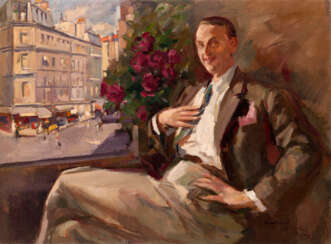

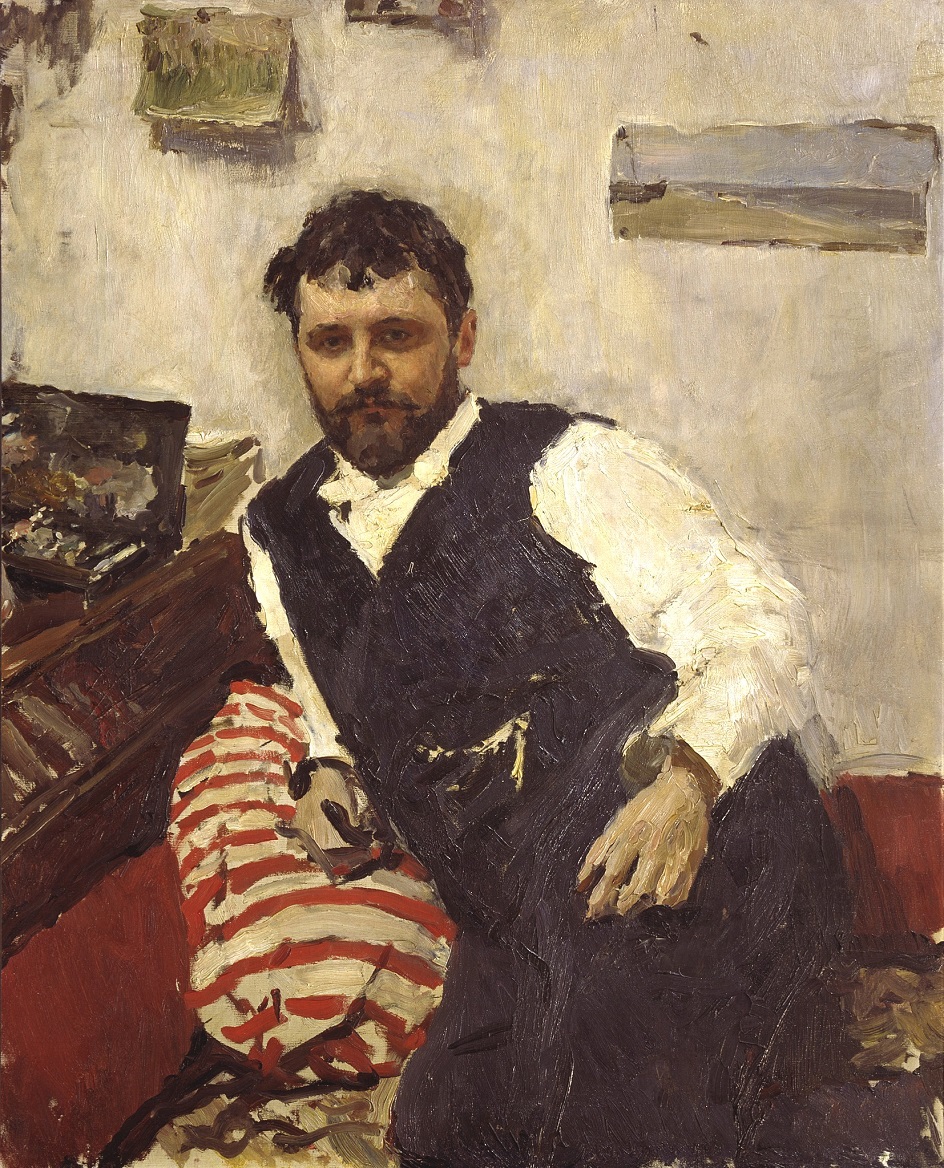
Konstantin Alekseyevich Korovin (Russian: Константи́н Алексе́евич Коро́вин) was a Russian artist and stage designer, renowned for his pivotal role in the transition from Russian Realism to Impressionism. Born in Moscow in 1861, Korovin's artistic journey began at the Moscow School of Painting, Sculpture, and Architecture, where he was heavily influenced by his mentor, Alexei Savrasov. His early work reflected the Realist tradition, but his style evolved after exposure to the vibrant art scenes of Paris and the influence of French Impressionists.
Korovin's contribution to art is marked by his vibrant palette and dynamic brushwork, capturing the transient effects of light and color with a spontaneity that was novel to Russian painting at the time. His works, ranging from lush landscapes and intimate still lifes to vivid portraits, showcase his mastery in evoking mood and atmosphere. Notably, his paintings of the Russian North and scenes of Parisian life have been celebrated for their lively, atmospheric qualities and are held in high esteem in museums and galleries worldwide, including the Tretyakov Gallery in Moscow and the Russian Museum in Saint Petersburg.
Beyond painting, Korovin's legacy includes significant contributions to theater design, where his innovative use of color and lighting brought new dimensions to stage productions in Russia, collaborating closely with the Moscow Art Theatre. His scenic designs for operas and ballets are credited with revolutionizing the visual aspect of Russian theater, making him a pivotal figure in both the visual and performing arts.
For collectors and experts in art and antiques, Korovin's works represent a unique blend of Russian tradition and Western artistic movements, making them highly sought after. His ability to capture the essence of a moment, whether in the tranquil Russian countryside or the bustling streets of Paris, continues to captivate audiences and scholars alike.
To stay informed on new sales and auction events featuring works by Konstantin Alekseyevich Korovin, sign up for our updates. This subscription ensures you're the first to know about valuable opportunities to add to your collection, focusing exclusively on Korovin's art and related events.


Raymond Georges Yves Tanguy, a French painter, is celebrated for his pivotal role in the Surrealist movement. Born in Paris in 1900, Tanguy's distinctive style is characterized by his meticulous and fantastical landscapes. These dream-like sceneries, populated with abstract shapes and organic forms, evoke a sense of otherworldly mystery and have captivated the imagination of art enthusiasts and collectors alike.
Tanguy's journey into the world of art was somewhat unconventional. Initially drawn to the merchant navy and later to the army, it wasn't until a pivotal encounter with the works of Giorgio de Chirico that Tanguy decided to pursue painting. Despite his lack of formal training, he quickly became a prominent figure in the Surrealist movement, contributing significantly to its ethos and aesthetic. His paintings are renowned for their unique blend of precision and spontaneity, combining elements of the natural world with abstract forms to create enigmatic landscapes that defy conventional interpretation.
Among Tanguy's most notable works are those housed in prestigious institutions such as the Museum of Modern Art in New York and the Tate Modern in London. These pieces serve as a testament to his enduring influence on the world of art and culture. Tanguy's ability to transcend the boundaries of reality and imagination has made his work particularly appealing to collectors and experts in art and antiques, who seek to understand the depths of Surrealism through his visionary eye.
For enthusiasts of Raymond Georges Yves Tanguy's art, staying informed about upcoming sales and auction events is crucial. By signing up for updates, collectors can ensure they never miss an opportunity to acquire a piece of this iconic artist's legacy. This subscription is not only a gateway to exclusive information on new product sales but also a direct line to the heart of the art and antiques world, where the surreal becomes tangible, and the legacy of a master painter continues to inspire.
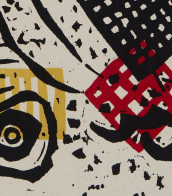


Raymond Georges Yves Tanguy, a French painter, is celebrated for his pivotal role in the Surrealist movement. Born in Paris in 1900, Tanguy's distinctive style is characterized by his meticulous and fantastical landscapes. These dream-like sceneries, populated with abstract shapes and organic forms, evoke a sense of otherworldly mystery and have captivated the imagination of art enthusiasts and collectors alike.
Tanguy's journey into the world of art was somewhat unconventional. Initially drawn to the merchant navy and later to the army, it wasn't until a pivotal encounter with the works of Giorgio de Chirico that Tanguy decided to pursue painting. Despite his lack of formal training, he quickly became a prominent figure in the Surrealist movement, contributing significantly to its ethos and aesthetic. His paintings are renowned for their unique blend of precision and spontaneity, combining elements of the natural world with abstract forms to create enigmatic landscapes that defy conventional interpretation.
Among Tanguy's most notable works are those housed in prestigious institutions such as the Museum of Modern Art in New York and the Tate Modern in London. These pieces serve as a testament to his enduring influence on the world of art and culture. Tanguy's ability to transcend the boundaries of reality and imagination has made his work particularly appealing to collectors and experts in art and antiques, who seek to understand the depths of Surrealism through his visionary eye.
For enthusiasts of Raymond Georges Yves Tanguy's art, staying informed about upcoming sales and auction events is crucial. By signing up for updates, collectors can ensure they never miss an opportunity to acquire a piece of this iconic artist's legacy. This subscription is not only a gateway to exclusive information on new product sales but also a direct line to the heart of the art and antiques world, where the surreal becomes tangible, and the legacy of a master painter continues to inspire.


Lucio Fontana was an Argentine-Italian artist known for his pioneering work in the field of Spatialism, an artistic movement that explored the relationship between space and art.
Fontana studied sculpture at the Academy of Fine Arts in Milan, Italy. In the 1940s, he began experimenting with a technique he called "Spatial Concept," in which he punctured or cut holes into the canvas to create a sense of depth and dimensionality.
Throughout the 1950s and 1960s, Fontana continued to explore the possibilities of Spatialism, creating works in a variety of media, including sculpture, ceramics, and painting. One of his most famous series of works is the "Tagli" (Cuts), which consist of monochromatic canvases with one or more slashes or punctures.
Fontana's work had a significant influence on the development of the Arte Povera movement in Italy, as well as on the development of Minimalism and Conceptual Art. He exhibited his work widely in Europe and the United States, and his legacy continues to be celebrated by artists and critics today.
Fontana's innovative approach to art and his exploration of the relationship between space and form continue to be a source of inspiration for artists working in a wide range of media.